


















Program
| 9:00-9:30 | Registration&Preparing for live streaming |
| 9:30-10:00 | Keynote Speech 1 Title: TBD 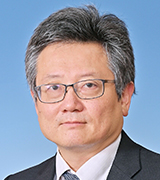 Masao Shimazaki
|
| 10:10-10:40 | S-1 Building Financial Systems That Don’t Stop Operational and Organizational Design Based on Incident Assumptions Mayu Aono As digital transformation accelerates, financial institutions are required not only to prevent incidents but also to ensure continuous operations, rapid recovery, and accountable communication. This session explores how to design security operations based on the assumption that incidents will occur, covering business continuity, risk management, and audit readiness. It also presents a practical approach to operating under resource constraints by combining log-based visibility with SOC support, and explains realistic organizational structures, processes, and role allocation. |
| 10:50-11:20 | S-2 Advancing Next-Generation Analytics Through Causal Inference and Knowledge Graphs <Facilitator> Keiichiro Oikawa <Panelists> Yutaka Soejima Ikuo Minowa In an increasingly data-driven financial environment, institutions are challenged not only to understand what has occurred, but to rigorously explain why it has occurred. This panel discussion brings together industry experts to examine how causal inference and knowledge graphs can enhance analytical transparency, decision validity, and explainability in the age of AI. Through a multi-perspective dialogue grounded in real-world practice, the session explores how advanced analytics and structured knowledge can be integrated and operationalized to support more robust, accountable decision-making in financial institutions. |
| 11:30-12:00 | S-3 Building Next-Generation Security Governance: Deterring Insider and External Threats with High-Precision Koichi Hatase Insider and external threats targeting financial institutions are increasingly difficult to detect. This presentation explains how to automate the analysis of vast log data to identify predictive threat indicators using high-precision User and Entity Behavior Analytics. We will introduce concrete steps for building a next-generation governance framework that prevents incidents and streamlines security operations, illustrated with case studies from leading banks in Japan. |
| 12:05-12:20 | S-4 Preparing for the Post-Quantum Era: Security Strategies Companies Must Consider Now(TBD) Akihiko Maruse As the practical use of quantum computers becomes increasingly realistic, there is a growing risk that cryptographic technologies long considered secure may be compromised. Governments and global enterprises around the world have already positioned the transition to post-quantum cryptography (PQC) as a critical management priority and are taking early action. |
| 12:20-13:00 | Lunch Break(Standing buffet) |
| 13:00-13:40 | Panel Discussion 1 Next Challenges in the Era of Generative AI Adoption - Steps Toward Achieving Data Management and Governance <Facilitator> 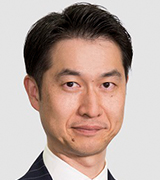 Yasunori Kasai <Panelists>  Ichio Sato 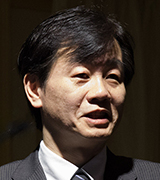 Yoshikazu Igashima 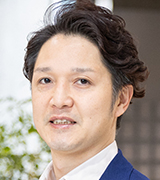 Keita Yuyama Including the expanding use of AI agents, generative AI in financial institutions has now entered a widespread adoption phase. As the capabilities of generative AI evolve rapidly, the importance of data—as a key differentiator—continues to grow. In addition to the inherent value and quality of data that directly impacts analytical outcomes, there is a rising awareness of the need to build databases optimized for AI utilization. In this panel, we welcome experts with extensive experience in applying AI within financial institutions to discuss and deepen the conversation around data management and governance in the AI era. |
| 13:50-14:20 | S-5 Cyber Attacks as a Business Risk Yuki Otsubo In a world where preventing every breach is no longer realistic, the real question is how to contain the blast radius and detect threats before they escalate. In this session, we’ll look at the surge of ransomware incidents across Japan and unpack how internal compromise and lateral movement can just as easily impact financial institutions. With a focus on micro segmentation to stop attackers from spreading and threat hunting to surface hidden risks early, we’ll share practical, actionable steps organizations should be evaluating now to minimize impact and strengthen cyber resilience. |
| 14:25-14:40 | S-6 Enhanced security management operations with AI - Business improvement initiatives using trustworthy AI - Hiromi Fuse 'Financial institutions' security management-related tasks are diverse and performing them manually is becoming a bottleneck in terms of securing personnel and speedy business development. |
| 14:50-15:30 | Fireside chat Finance in the Age of AI: A Paradigm Shift Driven by DeFi, Stablecoins, and Wallets 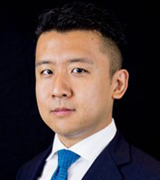 Seihaku Yoshida  Noritaka Okabe As artificial intelligence and blockchain technologies converge, the global financial system is approaching a pivotal transformation. This panel will examine how the integration of three key innovations in the blockchain ecosystem—DeFi (decentralized finance), stablecoins, and digital wallets—will shape and redefine financial systems in the era of AI. |
| 15:30-15:50 | Coffee Break |
| 15:50-16:20 | S-7 CNAPP's Approach to Security Democratization Strengthens the Foundation of Financial DX Yuji Oshima As financial DX progresses, the complexity and risks of the financial system are expanding on an unprecedented scale due to multi-cloud, AI utilization, and digital currency. In this session, we will introduce how the CNAPP solution "Wiz" can realize the "democratization of security" that allows everyone in the organization to understand and act on risks through cloud-wide visibility and risk management mechanisms. |
| 16:30-17:10 | Panel Discussion 2 日本市場における伝統金融商品RWAトークン化への流れを探る <Facilitator> 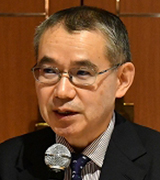 Hiroshi Matsubara <Panelists>  Eiji Kobayashi 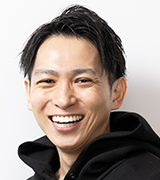 Tatsuya Saito 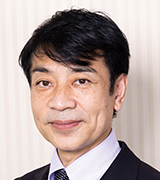 Kimio Mikazuki In Japan, crypto assets are moving toward being regulated under the Financial Instruments and Exchange Act, and developments toward the convergence of traditional finance (TradFi) and decentralized finance (DeFi) are attracting attention. In the United States, there has been a notable trend in the tokenization of TradFi instruments such as MMFs led by major asset management firms. This panel will welcome speakers from the companies that provide the infrastructure platform for RWA tokenization and digital asset trading within the industry, and will discuss the future outlook and challenges for the digitalization of the TradFi products in the Japanese market. |
| 17:20-18:00 | Keynote Speech 2 Evolving Cyber Threat Trends and Financial Institutions' Responses 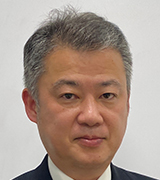 Osamu Terai Geopolitical tensions and evolving ransomware attacks mean cyber threat trends change daily. Additionally, new responses like migrating to post-quantum cryptography (PQC) are required. We will explain what actions financial institutions need to take in response, incorporating Mizuho Financial Group's initiatives. |
| 18:00-19:00 | Networking Cocktail |